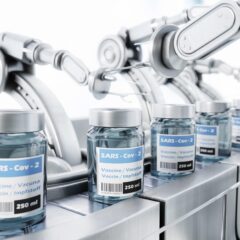
Pharmaceutical machines play a big role in making safe and high-quality medicines. But like any machine, they need regular care to keep working properly. Without good maintenance, even the best machines can break down, delay production, and cause serious problems.
In this blog, we’ll show you simple and smart ways to maintain your pharmaceutical equipment so it runs smoothly for years.
1. Do Regular Preventive Maintenance
Don’t wait for a breakdown. Stick to a maintenance schedule to avoid big problems. Follow the machine manufacturer’s service guide and regularly:
Clean filters and pipes
Lubricate moving parts
Check seals and gaskets
Recalibrate filling systems and sensors
👉 Why it matters: It helps reduce downtime, avoid unexpected repairs, and increase machine life.
2. Train Your Operators Well
Your machines are only as good as the people using them. Make sure your team knows:
How to operate the machine safely
Basic cleaning and care steps
How to detect early warning signs
👉 Why it matters: Trained staff make fewer mistakes and help spot issues before they become serious.
3. Keep Machines Clean and Germ-Free
In pharmaceutical production, hygiene is everything. A dirty machine can cause contamination and damage parts.
Clean the machine after each batch
Use proper cleaning solutions
Sanitize nozzles, contact areas, and belts
👉 Why it matters: Clean machines produce clean, safe medicines and meet GMP standards.
4. Use Smart Monitoring Tools
Modern pharma machines come with smart features like sensors and IoT systems. These help you track:
Temperature
Vibration
Speed
Production data
👉 Why it matters: Real-time monitoring helps you fix small issues before they become big, costly failures.
5. Use Only Genuine Spare Parts
When a part wears out, always replace it with a genuine, approved part. Avoid cheap, non-branded parts—they can damage the machine.
Keep important spare parts in stock
Replace parts during planned downtime
Follow the manufacturer’s recommendations
👉 Why it matters: Original parts keep your machine running efficiently and safely.
6. Keep Maintenance Records
Write down every service activity:
What was cleaned or repaired
Which parts were changed
Who did the work and when
Machine errors or issues
👉 Why it matters: Proper records help you pass audits, stay compliant, and plan future maintenance better.
Consistent care today ensures consistent performance tomorrow — maintain your pharmaceutical machines like lives depend on it, because they do.
Final Thoughts
Maintaining your pharmaceutical machines is not difficult—but it is essential. A little time and care today can save you from big problems tomorrow. With regular maintenance, trained staff, and the right parts, your machines will stay efficient, safe, and long-lasting.
Remember: Well-maintained machines produce high-quality medicines, faster and safer.